Employee Wellbeing: Strategy, Advice, and Examples

Did you know that a quarter of UK workers report feeling unable to cope with workplace stress? And when you pair that with the fact less than half of UK companies have formal wellbeing strategies, it’s no surprise that a whopping 63% of UK employees demonstrate symptoms of stress, including exhaustion and disengagement. Could members of your team be making up these statistics?
Your employees are the heart of your organisation and their wellbeing directly impacts you and your business. For that reason it’s so important to understand employee wellbeing in the workplace and how best to care for your team to ensure they are healthy and happy, which in turn benefits you too.
What is employee wellbeing?
Employee wellbeing refers to how a member of staff feels and functions in their life. There are a number of attributes that can affect a person’s health and happiness, such as physical, emotional, mental, financial and social factors, all of which play a part in someone’s overall wellbeing.
Why is employee wellbeing important?
Understanding why employee wellbeing is important is key for any organisation that wants to build a resilient and productive workforce.
If you have team members who struggle with their mental health or overall wellbeing, unfortunately, you will also feel the negative effects. As well as increased absenteeism (10% of UK adults took time off for mental health reasons in 2025), poor wellbeing can lead to disengagement, accidents in the workplace and resignation. You’ll likely also notice a reduction in productivity and in some cases, an impact on your bottom line.
Prioritising employee engagement and wellbeing helps create a workforce that is motivated, focused and committed to the success of the organisation.
What is an employee wellbeing strategy?
An employee wellbeing strategy is a formal plan or framework that organisations use to support the health and happiness of their workforce.
Often delivered through an employee wellbeing programme or a series of initiatives, this strategy champions best practices in the workplace for healthier and happier employees. It outlines the ways in which the company supports mental health and overall wellbeing, along with the services and benefits available to the team.
Many organisations support their wellbeing strategies through employee benefits platforms such as BHN Extras, which provides staff with access to discounts, savings and wellbeing perks that support multiple aspects of everyday life.
What should an employee wellbeing strategy include?
47% of UK employees think an open dialogue with their employer about mental health would improve their wellbeing at work. This clearly indicates that staff are willing to be more open about their wellbeing with their organisations, reiterating the importance of having an employee wellbeing strategy in place.
A strong employee wellbeing initiative should take a holistic approach to supporting staff. This means caring for the whole person rather than focusing on isolated areas of health.
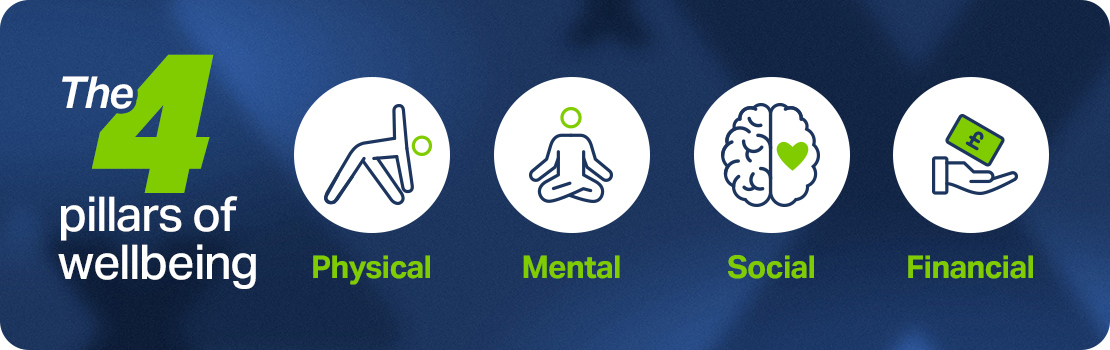
A successful employee wellbeing programme typically focuses on four key pillars:
- - Physical Health
- - Mental Health
- - Social Wellbeing
- - Financial Wellbeing
Here’s some ways in which you could incorporate a focus on holistic employee wellbeing in the workplace.

Physical health
It’s common knowledge that caring for the body has a positive impact on mental health. However, it’s not always easy for individuals to access the tools and opportunities they need to do so. Therefore, think about ways in which your organisation could promote better physical health as part of your broader employee wellbeing initiative.
Are you able to offer on-site fitness classes, or subsidise off-site gym membership? Perhaps you could take a look at what’s on offer in the canteen and vending machines and make some healthy swaps? It’s been proven that short walks can reduce stress and act as an overall mood-booster so encourage team strolls on lunch breaks.
BHN Extras offers employee benefits at no cost to the employer. It includes options to help get your team taking better care of their physical health such as savings on gym membership and new bikes and cycling accessories.

Mental Health
Ensuring your employees’ minds are healthy and supported is a crucial part of any employee wellbeing programme.
Do your team members have access to counselling if they need it? Is there a mental health first aider in your organisation who’s trained to identify early signs of burnout and stress and provide suitable support? Mental health first aid kits are a good idea and include pamphlets and posters with information about mental health resources, as well as awareness and educational materials.
Finally, is there scope to implement stress management workshops? These are practical ways to improve employee wellbeing whilst also strengthening a supportive workplace culture.
Social wellbeing
Feeling included and part of a team or community can have a big impact on someone’s overall wellbeing. Supporting social connections is an important aspect of employee engagement and wellbeing.
Use team-building days and exercises as a way of bringing people together. You could also volunteer locally together, and plan inclusive social events.
It’s also important to consider diversity amongst your team and how minority groups in the workplace are represented - do they feel confident to speak up if they have a problem?
Financial wellbeing
52% of UK employees have reported that their financial worries have negatively affected their work performance at some point. In addition, 45% say financial stress affects their sleep which can lead to lower performance levels.
Think about whether your team is being paid fairly? Do they have opportunities to discuss their pay as well as career development and learning opportunities? Could you offer professional pension advice or budgeting workshops?
Employee benefits platforms such as BHN Extras can also support financial wellbeing by reducing everyday financial pressures with instant access to:
Flexibility & support
Offering flexibility and support for your team members is key to improving employee wellbeing in the workplace.
Whilst working for you is their job, it’s important to remember your staff also have personal lives and may require the option of flexitime, for example, to enable them to see their child in a school concert or take their dog to the vet.
Is remote working an option? Studies consistently show that remote working often boosts productivity due to fewer distractions and interruptions at home, quieter environments and more focused work time. Additionally, job sharing opportunities can also offer a better work/life balance.
Have you thought about offering paid wellbeing days separate from annual leave? Wellbeing days encourage staff to engage in activities that support their mental and physical health - such as relaxing, spending time on a hobby, getting outdoors and even sleeping - which is another practical example of how to improve employee wellbeing.
Get everyone involved
Implementing an employee wellbeing strategy should come from the top and be integrated throughout the organisation. It’s imperative that those in management, senior leadership and even business owners act as role models and demonstrate best practices in wellbeing.
In addition, every member of an organisation should be considered when developing an employee wellbeing initiative, as stress doesn’t discriminate.
One of the simplest ways to give your whole workforce a voice is to introduce regular employee surveys as a quick and simple way to measure employee engagement and wellbeing. Similarly, anonymous feedback channels allow employees to share concerns confidentially.
Finally, ensure you act upon your findings. Implementing ways for your team to express their honest feelings is great, but it will only have a positive impact if you use the information you have gathered to implement the necessary changes.
Take time to thank your staff
Recognising your employees’ continued efforts can go a long way to boosting morale and supporting employee wellbeing. The simple act of saying ‘thank you’ can create a happier mindset, reduce stress and lower blood pressure.
Tangible perks and employee rewards can also reinforce appreciation. Benefits platforms such as BHN Extras allow organisations to give staff access to meaningful everyday savings and discounts, helping employees feel valued without increasing business costs.

What are the benefits of employee wellbeing?
There are many benefits of employee wellbeing for both organisations and their teams. Having an effective employee wellbeing programme in place can lead to:
- - Employee engagement: The happier your team is, the more engaged they will be at work. Feeling looked after instils a sense of value and job satisfaction.
- - Improved performance and increased productivity: Engagement leads to efficiency, which means more tasks being completed and an increase in overall productivity.
- - Positive workplace culture: Happier and more engaged individuals are far nicer to work with, creating a positive workforce.
- - Reduced absenteeism: By prioritising employee wellbeing in the workplace and reducing stress levels, you will often see fewer sick days.
- - Staff loyalty and retention: Creating a supportive environment encourages employees to stay with the organisation for longer.
- - Increased profitability: As a result of all the above, you may notice a positive impact on your bottom line.
Employee wellbeing isn’t a one-off initiative, it’s an ongoing commitment to supporting the people who keep your organisation running. Small changes make a big difference and tools such as BHN Extras can make implementing meaningful benefits simple and cost effective - you can find out more here.
Employee wellbeing FAQs
What is employee wellbeing in the workplace? +
Employee wellbeing refers to how employees feel and function both at work and in their personal lives. It covers several areas including mental, physical, social and financial health. When organisations support these areas through initiatives, policies and benefits, employees are more likely to feel healthy, motivated and engaged.
Why is employee wellbeing important for businesses? +
Employee wellbeing has a direct impact on productivity, engagement and retention. When staff feel supported, they are more likely to perform at their best, take fewer sick days and remain loyal to the organisation. Businesses that prioritise wellbeing often see stronger workplace cultures and improved overall performance.
What is an employee wellbeing strategy? +
An employee wellbeing strategy is a structured plan organisations use to support the health and happiness of their workforce. It usually includes policies, programmes and benefits that help employees manage their physical health, mental wellbeing, finances and social connections.
What are the key pillars of employee wellbeing? +
A holistic employee wellbeing strategy typically focuses on four core pillars:
- Physical wellbeing: supporting healthy lifestyles and movement
- Mental wellbeing: providing support for stress, burnout and emotional health
- Social wellbeing: encouraging connection, inclusion and collaboration
- Financial wellbeing: helping employees reduce financial stress and manage money
Addressing all four helps support employees as whole individuals rather than focusing on just one area.
How can employers improve employee wellbeing? +
Employers can improve wellbeing by introducing practical initiatives such as flexible working, wellbeing days, mental health support, fitness programmes and financial education. Implementing structured wellbeing programmes can also help organisations provide consistent support across the workforce. Regular feedback through employee surveys helps employers understand what their teams need most and strengthen the overall employee experience.
How does financial wellbeing affect employee performance? +
Financial stress can significantly impact concentration, sleep and productivity. Many employees report that financial worries affect their work performance and overall staff wellbeing. Supporting financial wellbeing through discounts, savings schemes or budgeting resources can help reduce this stress and allow employees to focus more effectively at work.
How can employers encourage open conversations about wellbeing? +
Creating a workplace culture where employees feel comfortable discussing wellbeing starts with leadership. Managers should promote open dialogue, provide access to mental health resources and encourage regular check-ins with their teams. Anonymous surveys and feedback channels can also help employees share concerns confidentially, allowing organisations to better understand and support health and wellbeing at work across the business.
How does BHN Extras support employee wellbeing? +
BHN Extras helps organisations support employee wellbeing by giving staff access to everyday savings, cashback offers and discounts on technology, fitness and lifestyle products. These benefits help reduce financial stress while encouraging healthier lifestyles and improved work-life balance, contributing to a stronger company culture.
Do employee wellbeing initiatives have to be expensive? +
No. Many wellbeing initiatives are low-cost or even free to implement. Simple steps such as encouraging breaks, recognising employee achievements, promoting open conversations about mental health or offering flexible working can make a significant difference. Platforms like BHN Extras also provide benefits at no cost to the employer.
What are the long-term benefits of investing in employee wellbeing? +
Organisations that prioritise employee wellbeing often see long-term advantages such as higher engagement, improved productivity, reduced absenteeism, stronger retention and a more positive workplace culture. Ultimately, supporting employee wellbeing contributes to a healthier workforce and a more successful business.