Technology benefits for employees: why Home & Tech matters more than ever

When employees ask for help with rising costs, they’re usually not after advice, but practical support. Something useful. Something they’ll actually use.
That matters because money worries still show up at work. CIPD’s latest research found that employees who can keep up with bills are more likely to report better performance and recommend their employer, while 31% said money worries had negatively affected their performance in 2025. ONS data also shows cost of living pressure remains a major issue across the UK.
For employers, that creates a clear question. Are your benefits helping people with the costs they feel every week, or are they sitting quietly in the background?
Technology benefits for employees have moved up the list because tech is no longer a nice extra. It’s how people bank, shop, communicate, manage family life, get through the working day, and run their homes. Ofcom says UK adults now spend an average of four and a half hours online each day, and smartphone users use an average of 41 apps a month.
That’s why a technology salary sacrifice benefit makes sense. It gives employees a practical way to get the home and tech items they want or need, while giving employers a benefit that feels relevant, current, and easy to explain.
Why technology benefits for employees matter right now
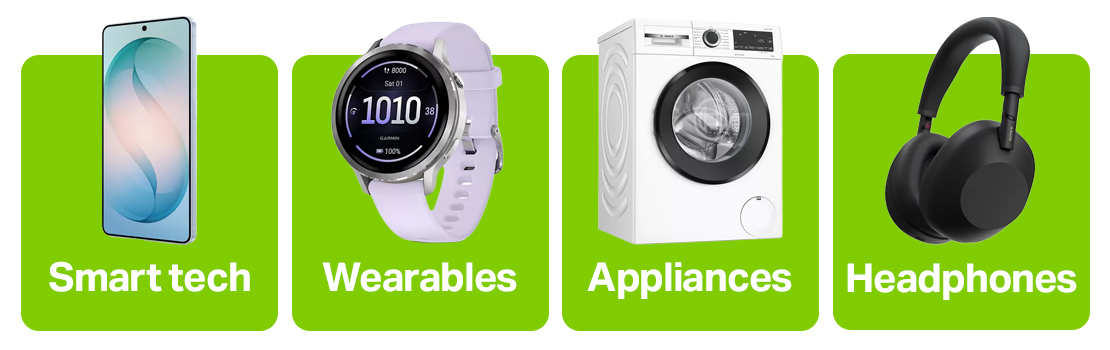
The case for technology benefits for employees is simple. People rely on devices and connected products all day, every day. Phones, laptops, tablets, smart home products, kitchen appliances, headphones, wearables, and home office kit all shape how smoothly life runs.
When those products break, become outdated, or need replacing, the cost lands fast. Recent research found Londoners spent an average of £464.21 replacing damaged or broken items they believed could have been repaired over the past year. That tells you how quickly household costs can stack up when essential products fail.
At the same time, many employees still want benefits that stretch their pay rather than add more admin. That lines up with BHN Extras’ Home & Tech salary sacrifice scheme, which lets employees spread the cost of home and tech items interest-free over 12 salary sacrifice payments, with no upfront cost and savings of up to 8% through National Insurance reductions.
For employers, that turns a broad idea like ‘support your people’ into something solid. Help with the laptop they need. The washing machine they didn’t budget for. The phone they use every day. The furniture that makes home life easier. Real products. Real savings.
Technology salary sacrifice: a benefit employees can understand
One reason some employee benefits struggle is simple. They take too long to explain.
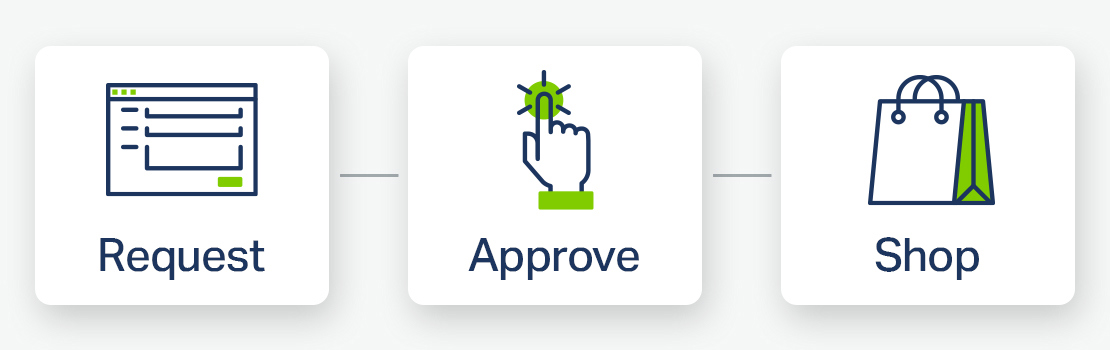
A technology salary sacrifice scheme is easier to grasp because the value is obvious. Employees choose eligible products. The employer approves the request. The employee repays through salary over 12 months. No interest. No big upfront hit. That clarity matters.
With BHN Extras Home & Tech, employers can offer the scheme for free and run it cost-neutrally, while employees can shop across major retail partners including Currys and IKEA .The scheme is designed for businesses of all sizes, provided employees are paid through PAYE.
And because the process sits inside the wider Extras platform, it also supports one of the biggest employer priorities in benefits right now: simplicity. The BHN Extras platform is free to set up, has no per-employee fee, and gives HR teams one place to manage a wider mix of benefits.
Home and tech scheme: what employers actually get
For employers, a home and tech scheme has to do more than sound attractive in a brochure. It has to be easy to roll out, easy to manage, and easy to talk about.
That’s where Home & Tech through Extras feels strong as employers get:
- - Easy setup, minimal approval and payroll admin
- - No end-of-hire process
- - Free marketing support
- - A benefit that is free to offer and cost-neutral to run
Employees get access to:
- - Thousands of products from major retail partners
- - Interest-free repayments and instant ownership
- - The ability to use the scheme on top of existing offers and promotions
That combination matters because HR teams are under pressure too. CIPD’s Health and Wellbeing at Work 2025 report found that budget pressure is the top challenge for wellbeing activity, and that cost-effectiveness and ease of access matter when employers choose support.
So a work tech scheme has more chance of landing well when it feels useful to employees and manageable for employers. Home & Tech does both. It supports financial wellbeing, helps with digital inclusion, and gives employers a benefit they can explain in plain English.
BHN Extras Home and Tech: proof that people use it
A benefit only works when employees actually use it. That’s where the Lookers case study is useful. After rolling out BHN Extras more broadly, Lookers reported:
- - Home & Tech reached 21% uptake
- - The scheme generated £100k of orders within the first 24 hours of its launch
- - £11,970 in savings for employees in that period alone
When benefits connect with everyday spending, people are more likely to notice them, use them, and remember who made them available.

Salary sacrifice scheme plus everyday discounts is a stronger offer
A salary sacrifice scheme can do a lot of heavy lifting on bigger-ticket items. But the best benefits package usually mixes long-term value with immediate wins.
That’s another reason Extras stands out. Alongside Home & Tech, the platform includes products such as bYond and Extras Discounts, which focus on everyday spending and cashback. BHN Extras says the platform also comes with no per-person fee and is built to be simple to use for both employers and employees.
That matters because a strong benefits package should support different moments in real life, whether it’s the weekly shopping or a replacement laptop.
Home and technology benefits support retention, value and trust
Offering home and technology support shows that you recognise what employees actually spend money on. It also fits the way people now live with technology. Smartphones are central to daily life, online use keeps rising, and many people depend on connected devices for work, home admin, shopping, and communication.
Many employers still do not have a formal financial wellbeing strategy in place. A benefit that helps someone replace a broken cooker, upgrade a phone, or buy a home item they’ve been putting off, is a reason they feel supported.

Why Extras is a smart choice for employers
A strong tech and home benefit should do three things well:
- Help employees save money
- Feel simple to manage
- Come from a provider you trust.
BHN Extras’ Home & Tech does all three, with exclusive retail savings through Currys, IKEA and John Lewis. Plus, the wider Extras platform gives employers room to build a more flexible package around everyday needs.
For employers, that means less friction. For employees, it means benefits that feel worth logging in for. And that’s the point. The best technology benefits for employees do not just look good on a benefits grid. They help people live a little more easily, spend a little more wisely, and feel a little more supported by the company they work for.
Home & Tech FAQs
What counts as a technology benefit for employees? +
Technology benefits for employees usually cover products or schemes that help staff access devices, home tech, or digital services more affordably. That can include a technology salary sacrifice scheme, cashback on tech-related spending, discounts on gift cards, or support with home office and household tech purchases.
Is a technology salary sacrifice scheme only for laptops and phones? +
No. A technology salary sacrifice benefit can cover a much wider range of products, depending on the scheme. With BHN Extras Home & Tech, the offer includes home and tech items from major retailers. So as well as mobile phones and white goods, it can support everything from furniture and appliances to wearables and personal tech.
Can small businesses offer a home and tech scheme? +
Yes. BHN Extras states that Home & Tech suits organisations of all sizes, from small businesses to larger employers, as long as employees are paid via PAYE.
Does a salary sacrifice tech scheme affect take-home pay? +
Yes, because repayments come out of salary over an agreed period. That said, employees may still see value because the cost is spread interest-free and can include National Insurance savings, depending on the scheme and their circumstances. Employers should always communicate the details clearly and encourage employees to review how the deduction fits their budget.
Is a work tech scheme difficult for HR to administer? +
It doesn’t have to be. One reason employers look at a work tech scheme through a platform like Extras is that BHN says setup is simple, payroll admin is light, and marketing support is included.
What is the difference between home and tech and a staff discount platform? +
A home and tech scheme helps employees spread the cost of bigger purchases through salary sacrifice. A discount platform usually helps with everyday savings, cashback, or reduced-price gift cards. Many employers get better results when both sit together in one platform.
Can a home and technology benefit support employee financial wellbeing? +
Yes. Financial wellbeing is often about helping people manage day-to-day and unexpected costs. A home and technology benefit can help staff avoid a large upfront payment when they need to replace an important item or buy something they use every day.
Should employers offer home and tech as a standalone benefit? +
It can work on its own, but it often works better as part of a broader package. Pairing home and tech with cashback, discount, wellbeing, and travel-related benefits gives employees more ways to see value across the year.
What makes BHN Extras Home and Tech different? +
The strongest differentiators are simplicity, the free platform model, and the retail partnerships. BHN Extras says the platform is free to set up with no per-employee fee, while Home & Tech gives access to major partners including Currys, IKEA and John Lewis.
How should employers promote technology benefits for employees? +
Keep it simple. Lead with real examples, clear savings, and products employees actually want. Show how the scheme works in a few steps, explain who it suits, and use real-life use cases such as replacing a broken appliance, buying a laptop, or spreading the cost of a phone.
You might also like these articles...

Get more from BHN Extras: Cyclescheme partners with Lime
Read the article
How to Build a Corporate Wellness Programme for Employees
Read the article
How to Use Employee Rewards and Recognition in the Workplace
Read the article