The Cost of Commuting to Work is Rising: Could Cycling Help You Save?

If you'd like to learn more about rising fuel costs and how to best protect yourself or your staff, please check out our on demand webinar with Tusker here.
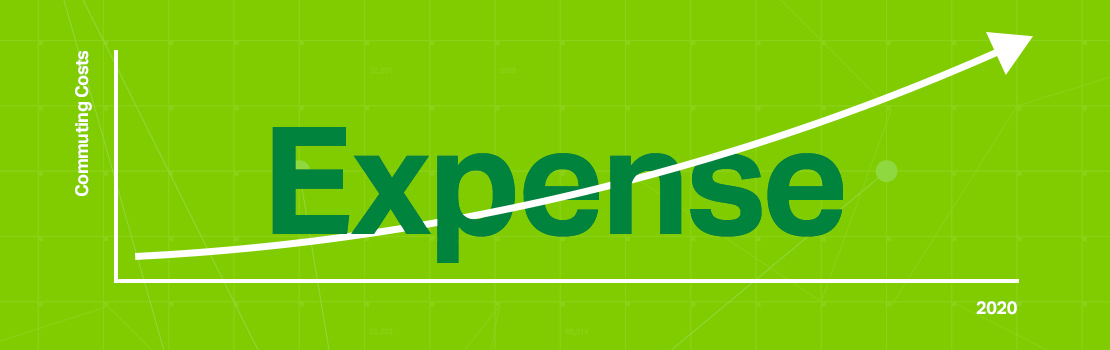
The journey to work and the costs of commuting are taking larger and larger bites out of people’s paycheques. Train and bus fares, fuel, parking, maintenance, and repairs all add up quickly across a month or a year, and prices are only continuing to climb.
That pressure of commuting costs is being felt across the UK, with 45% of Britons reporting that their travel costs increased throughout 2025. Among those paying more, 37% said they are finding the extra costs difficult to afford. Public transport users have also faced higher prices, as rail fares across Great Britain increased by 5.1% in 2025, while regulated fares rose by 4.5%. On top of this, fuel prices have also sharply increased during 2026, making the cost of commuting to work harder to plan due to unstable price points.
Fortunately, cycling to work can help you ease the pressures of commuting costs. Cycling will not suit every route or working pattern, but replacing even a few car, rail, or bus journeys could help with useful everyday savings.
What makes the cost of commuting to work so expensive?
Commuting is rarely represented by one simple price or cost. For example, car commuters may mostly think about petrol or diesel, but the real bill can also include:
- Parking charges
- Insurance
- Servicing and repairs
- Tyres and breakdown cover
- Vehicle depreciation
- Clean-air or congestion charges
Meanwhile, train and bus commuters may pay for season tickets, connections, station parking, or occasional taxis when services are disrupted. Hybrid workers can also sometimes miss out on the best-value season tickets while still paying expensive peak fares on office days.
You may not be able to control rail fare decisions, oil markets, or every motoring expense, but that doesn’t mean you can’t look at how often you use each form of transport and see whether a cheaper option could work for some journeys.
Even small expenses can make a noticeable difference when they are repeated throughout the working week. A daily parking charge or a very occasional taxi after a cancelled train may not seem significant on their own... but added together across 12 months, these costs can make commuting one of the largest regular expenses after housing and household bills.
That’s why looking at the full picture is important. A journey that appears cheaper on paper may become far more expensive once every connected cost is included.
Work out what your cost of commuting to work really is
Before changing how you travel, it’s a good idea to first calculate your current weekly or monthly spend on the cost of commuting to work. For example:
- For driving: Include fuel, parking, tolls, and any workplace charging fees. You could also set aside a monthly amount for servicing, tyres, and repairs.
- For public transport: Check ticket costs alongside station parking, connecting buses, and last-minute alternatives.
Then consider how often you travel into work, along with your route, shift times, and access to safe cycling infrastructure.
Once you have a realistic figure, test a few small changes. What would happen if you cycled one day a week? Could you cycle to a station instead of paying for parking? Could an e-bike replace shorter car journeys without making the commute feel exhausting?

It can help to calculate the cost of one individual journey too. Divide your weekly spending by the number of return trips you make. You can then compare that figure with the likely running cost of cycling or using a combination of cycling and public transport.
Keep the comparison realistic. Include occasional bike maintenance, equipment, and alternative transport on days when cycling is not practical. You only need a useful estimate that shows where your money goes and which changes could save you the most. Ultimately, the aim is to find smarter savings that work when you apply them to your real life commute.
How cycling to work can cut everyday costs
Whether you already own them or save on a new bike and accessories through a cycle to work scheme, each ride costs very little once you have your bike. There is no fuel to buy, no ticket to renew and, in most locations, no ‘parking’ charge.
Cycling still has costs, of course. Bikes need maintenance, as tyres, brake pads, lights, and weather-ready clothing may eventually need replacing. Yet these expenses are often easier to predict and control than repeated fuel purchases or annual fare increases.
You may save the most on the cost of commuting to work by only replacing the journeys that make sense:
- Ride to work once or twice a week
- Cycle on dry days and use public transport in poor weather
- Combine cycling with rail where it works
- Use an e-bike for hills or greater distances
- Cycle for short work trips instead of using a car
Every journey switched is one less train fare, bus ticket, parking payment, or portion of fuel used.

The savings don’t have to be substantial from day one. Replacing one or two journeys each week may feel more manageable than changing your entire routine immediately. It also gives you time to find a comfortable route, understand what equipment you need, and build confidence gradually.
Over time, that flexible approach can still reduce the overall cost of commuting to work. It may also help protect your monthly budget from sudden changes in fuel prices or public transport fares because you are no longer completely dependent on one form of travel.
Don’t forget, if you’re considering cycling to work more, our cycle to work scheme calculator can also help you work out how much money you could save on a new bike and equipment with Cyclescheme.
Could cycling help with more than the cost of commuting to work?
Cycling may help with the cost of commuting to work, but there are also other benefits. After all, it shapes the start and end of your working day.
Cycling to work builds movement into a routine you already have, rather than asking you to find separate time for exercise. Some people also value the greater control that cycling provides, as you are not waiting for a delayed service or sitting in slow traffic for the whole journey.
On top of this, the movement and fresh air that come from cycling to work can also make a positive difference on your overall mental health. In fact, 82% of survey participants who saved on a new bike and equipment with Cyclescheme reported feeling less stressed after cycle commuting.
There may also be practical benefits for employees who find their current journey unpredictable. A relatively short cycle can sometimes take a more consistent amount of time than driving through busy traffic or relying on several public transport connections.
Plus, knowing roughly when you will arrive can make mornings feel less rushed. It may also make it easier to plan childcare, appointments, personal commitments, and the rest of your working day. Saving money is important, but a commute that feels simpler and more reliable can make daily life easier.
Overall, the best commuting choice is one that employees can sustain and that truly benefits them. For some, that will be cycling every day. For others, it could be one leg of a mixed journey or an occasional alternative that lowers the overall cost of commuting to work.
Practical ways to start cycling without overspending

You don’t need the most expensive bike or lots of specialist clothing to start saving on the cost of commuting to work by cycling. Start with the basic essentials you need to cycle to work safely, which are:
- A roadworthy bike
- Reliable brakes
- Working lights
- A secure lock
- Comfortable, visible clothing
You save on all of these if your workplace offers a cycle to work scheme such as Cyclescheme, which makes new bikes and cycling equipment more affordable.
Then plan your route before your first office ride. The quickest driving route is not always the safest or most pleasant cycling route. Quieter streets, traffic-free paths, and secure cycle parking can make a slightly longer journey the better choice. A trial run can reveal the distance, gradients, and journey time, helping you choose between a standard, folding, or electric bike.
Remember to also budget for basic maintenance. Keeping tyres correctly inflated and dealing with small issues early can prevent more expensive repairs later. A dependable bike delivers better value than a neglected one, however much it might cost initially.
It’s also more financially sensible not to buy every possible accessory before you know what you will actually use. Your first few rides will quickly show whether you need panniers, waterproof trousers, a different saddle, or extra storage, and you can always buy these things once you’ve determined what you actually need.
Finally, it’s worth planning for the less predictable parts of commuting. Keep a puncture repair kit or spare inner tube available, identify a nearby bike shop, and know how you would get home if the weather changed suddenly. A little preparation can prevent an inconvenience from turning into an expensive taxi ride.
How Cyclescheme can make cycling to work more affordable
The upfront price of a bike can be the biggest obstacle, particularly when household budgets are already stretched. Fortunately, this is where a cycle to work scheme employee benefit can help.
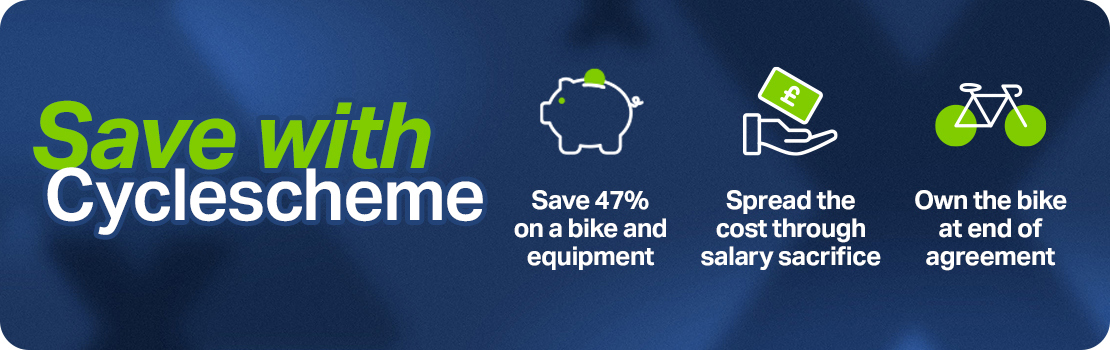
Through Cyclescheme with BHN Extras, eligible employees can save up to 47% on a bike, e-bike, accessories, and safety equipment through salary sacrifice. Payments are taken from salary before tax, spreading the cost without an upfront payment and making your new bike and gear much more affordable. It’s a very simple and straightforward way to save on cycle commuting, which is what makes it such a popular benefit.
Furthermore, employees can choose equipment that suits their specific commute, from a simple hybrid bike to an e-bike, waterproof gear, or security equipment. That choice matters because no two commutes are exactly alike. Someone travelling a few flat miles may need a very different bike from an employee facing hills, longer distances, or a mixed rail journey. Choosing equipment that fits the route can make cycling easier to maintain and help employees get better value from the benefit.
Meanwhile, for employers, Cyclescheme supports financial and physical wellbeing while giving people another travel option. And of course, it’s also a practical way for organisations to help employees ease living costs, such as the cost of commuting to work.
One realistic change can lower the cost of commuting to work
Fuel prices move, fares rise, parking will always be an expense, and maintenance bills will always appear... but your routine may have more flexibility than you think.
When managing the cost of commuting to work, start by understanding the full cost of your current journey, then identify one trip that could be cycled instead. Small but regular changes can ease living costs without turning your week upside down.
Then review your spending again after a month or two. You may discover that a mixed routine works best, such as cycling on certain days, using public transport when necessary, or driving only when it genuinely makes life easier. The right solution is not about choosing one transport method forever, but about having more options and using each one when it offers the best balance of price, convenience, and practicality.
Meanwhile, employers can help by offering benefits that allow people to cut everyday costs and offer meaningful support. That’s why giving employees access to Cyclescheme makes cycling more affordable, and helps cut down the overall cost of commuting to work in a way that really makes a difference.
Whether you’re an employee or an employer, join BHN Extras for free today to make the most of Cyclescheme and the many other employee benefits we have to offer. To learn more, call us on 0208 159 9430 or email us at enquiries@workplaceextras.com.
Cost of commuting to work FAQs
How can I calculate the annual cost of commuting to work? +
Multiply your average daily travel cost by the number of days you commute each year. Include irregular expenses such as parking permits, repairs, replacement tickets, and seasonal price changes where possible.
Does working compressed hours reduce the cost of commuting to work? +
Potentially. Working the same weekly hours across fewer days can reduce the number of return journeys you make, although compressed hours must be agreed with your employer.
Can moving my working hours lower the cost of commuting to work? +
Travelling outside peak periods may give you access to cheaper fares or less congested routes. Ask whether flexible start and finish times are available before changing your routine.
Should childcare travel be included in my commuting costs? +
Yes. Nursery or school drop-offs may add fuel, mileage, parking, or extra public transport fares. Including them gives you a more realistic picture of your total weekday travel spending.
Can secure workplace storage make cycling cheaper? +
Secure storage can reduce the risk of theft and the need to pay for commercial cycle parking. Employers considering Cyclescheme should also review whether their facilities support regular cycling.
Is bicycle insurance worth including in the cost of commuting to work? +
Possibly. Insurance adds an expense but may protect against a much larger replacement cost. Check whether your bike is already covered under home insurance before buying separate cover.
Could a cargo bike reduce the cost of commuting to work? +
A cargo bike may replace some car journeys for employees carrying children, work equipment, or shopping. Eligible models may be available through Cyclescheme, subject to employer limits and approval.
Can car sharing reduce commuting costs without changing my route? +
Yes. Sharing fuel and parking costs with a colleague can lower individual spending. Agree how costs, driving responsibilities, and cancellations will be handled before starting a regular arrangement.
How often should I review the cost of commuting to work? +
Review it whenever fares, fuel prices, parking charges, or your office attendance change. A quarterly check can reveal whether cycling, car sharing, or a different ticket now offers better value.
Can employers promote Cyclescheme during periods of rising commuting costs? +
Yes. Clear internal communication can help employees understand Cyclescheme before they renew a season ticket or buy travel passes, giving them time to compare options and plan their application.
You might also like these articles...

How to Build a Corporate Wellness Programme for Employees
Read the article
How to Use Employee Rewards and Recognition in the Workplace
Read the article
Employee Discount Schemes: How to Boost Staff Satisfaction Without Increasing Headcount Costs
Read the article