Back icon Back to Previous

Financial Wellbeing for Employees: Everything You Need To Know

image

Are your employees feeling the financial squeeze? A combination of rising inflation, high interest rates, and ongoing cost-of-living pressures have left many workers experiencing money worries. This can have a real impact on financial wellbeing for employees at work. When this happens, it doesn’t just affect people’s personal lives but also their productivity, engagement, and overall wellbeing.

Recent research shows that, in the UK and Ireland, 9 out of 10 employees say financial stresses have affected them in the workplace. On top of this, poor financial wellbeing can contribute to mental health challenges that are costly for employers too. In fact, poor workplace mental health is said to cost UK employers £51 billion each year.

While the economic picture may feel uncertain, the good news is that employers don’t have to wait for the next market shift to start making a difference and ease living costs for their staff. There are proven steps businesses can take to improve financial wellbeing for employees, boost morale, and help their teams feel more secure with money. Here, we’re going to cover what financial wellbeing means, why it matters, the challenges employees face, and practical ways employers can support their people - including the easy to use benefits that BHN Extras has to offer.


What does ‘financial wellbeing for employees’ really mean?

Financial wellbeing for employees isn’t just about salary. It’s about how confident someone feels managing their money, handling everyday savings and costs, and planning for the future. Someone with good financial wellbeing feels in control of their finances and able to enjoy life without constant money stress.

When financial wellbeing is poor, it doesn’t always stay in employees’ private lives. It follows them into work in many ways, including the following:

  • Money worries can make it harder to sleep, think clearly, and concentrate on tasks, with nearly 20% of employees saying they lose sleep due to money stresses.
  • They’re also closely linked with mental health challenges, including stress and anxiety.
  • Financial stress can strain relationships and affect physical wellbeing too.

That’s why taking steps to support financial wellbeing for your employees can ease living costs, which in turn will boost productivity, reduce absenteeism, and retain your best people.

image

What financial challenges are employees facing?

Money is consistently rated as the number one source of stress for UK employees, with 92% of employees reporting financial worries in the past year. This is due to:

  • Rising essentials costs are reducing household budgets.
  • Balancing family responsibilities, debt, and daily expenses is becoming harder.
  • Long-term financial planning, from saving to retirement, feels more distant and difficult to manage.

This reality shows how financial wellbeing for employees is more relevant than ever. When people feel supported with money, they’re more likely to thrive at work and at home.


How employers can improve financial wellbeing for employees

Many employees would greatly appreciate help managing their money, so supporting financial wellbeing shouldn’t be an afterthought.

Outside of salary growth, one of the most effective ways employers can support staff is through employee benefits that deliver real savings and financial value. Benefits and salary sacrifice schemes can help employees stretch their income further without putting extra strain on payroll budgets.

Here’s how forward-thinking employers can improve financial wellbeing for employees and create benefits people will actually use…

image


Home & tech salary sacrifice

With over half of consumers (52%) cutting down on non-essential spending, the home & tech salary sacrifice benefit gives employees a way to spread the cost of thousands of expensive home or tech products. Whether it's smartphones, laptops, headphones, or washing machines, employees can: 

  • Save up to 8% on everyday items from IKEA or Currys.
  • Spread the cost interest-free straight from their salary across 12 instalments, with no credit checks.
  • Shop for themselves or their loved ones, and replace broken items.

Employee cashback card 

Our research into changing shopping behaviours due to the cost-of-living crisis found that:

  • 61% are buying less expensive brands or generic store own-brand products.
  • 52% are buying more products on sale.
  • 44% are buying more products on promotion (e.g. save % or 2-for-1 offers).

One way to help with the cost of everyday purchases is to introduce the employee benefit bYond, which allows employees to earn up to 15% cashback at more than 85 UK high street retailers and supermarkets, including Sainsbury's, Asda, Primark, and Marks & Spencer.

Not only could using bYond when shopping for household essentials give employees £500 cashback each year, but 56% of employees feel more valued at work because of their bYond card.

This daily-use benefit brings financial wellbeing for employees closer to home because it rewards what they already spend.

image


Employee discount schemes

With cost-of-living ever on the rise, the use of coupons and vouchers is consistently increasing too. That makes Extras Discounts an attractive employee benefit as it saves employees up to 15% on the cost of physical and digital gift cards. There are over 100 popular and trusted brands to choose from including H&M, Halfords, Costa Coffee, ASOS, Morrisons, and Spotify. Benefits made simple, like this, often have the greatest impact.

Commuting Support

Transport costs can consume a significant portion of an employee’s pay, with almost half (45%) of British workers claiming their travel costs once again increased in 2025. Fortunately, there are ways to help your employees with these costs, including…

Cyclescheme

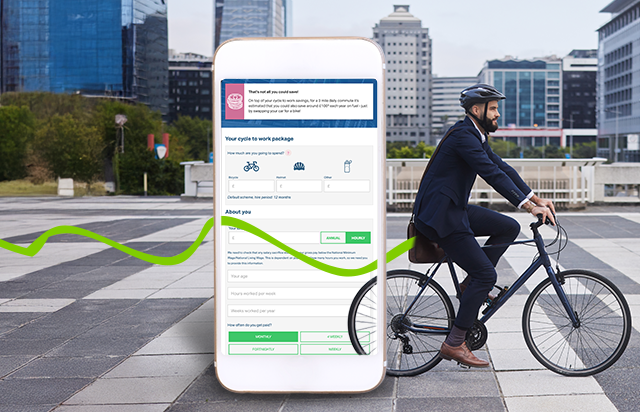
This Cycle to Work scheme gives employees up to 47% off the cost of a new bike and accessories from over 2,000 retailers across the UK. Plus, it promotes environmentally friendly commuting, encourages a more active workforce, and over 80% of Cyclescheme participants report feeling less stressed after cycle commuting.

Green Car Benefit

With fuel prices consistently rising at an accelerated rate in 2025, and with many younger drivers likely to switch to electric vehicles in the next decade, the Green Car Benefit is the ideal solution. For an affordable monthly amount, employees can choose an ultra-low emission vehicle package that includes insurance, road tax, and MOT.

Car Pooling

Encourage carpooling by implementing a car-share initiative at work. Support like this not only boosts financial wellbeing for employees but also promotes more sustainable choices whilst fostering a sense of community.

image


Gym membership and lifestyle discounts

Being active isn’t just good for physical health but also mental wellbeing. However, many people are giving up gym memberships due to cost.

That’s where benefits like MyGymDiscounts step in to help. With this benefit, employees can save up to 25% on gym memberships and fitness classes, cutting costs whilst helping them keep on top of their health. These savings contribute to overall wellbeing and help people feel more energetic, focused, and positive at work.

Financial education and guidance

Not every challenge is solved by discounts or cashback. Many employees lack basic financial education, and that’s where guidance makes a genuine difference. Employers can help by fostering an environment where employees feel able to have conversations about money and their personal finances.

Ways to help include:

  • Online financial planning tools.
  • Workshops on debt management and savings strategies.
  • Access to life-quality support apps that offer personalised advice.

Tools that build confidence with money play a key role in helping employees make smarter savings decisions, improve their financial habits, and feel more in control - and these are all essential elements of financial wellbeing for employees. In fact, over half (54%) of employees with access to financial tools expect their finances to improve.

Our employee life-quality app, syd™, is full of guidance. Powered by AI, the science-backed super-app delivers actionable, tailored advice to boost employees’ physical and emotional health and meet their financial and social needs. syd™ is like a personal mentor or life coach in your employees’ pockets. Employees using syd™ report a reduction in stress, anxiety and depression (48%), an increase in energy (23%), and an enhancement in overall life quality (20%).

Career progression opportunities

The CIPD recommends that employers provide opportunities for in-work progression. This is particularly important when it comes to financial wellbeing for employees, as a career development plan could lead to opportunities for them to earn more. Offering qualifications, in-person (or online) training, and mentoring programmes are all ways to further employee growth both professionally and financially.

Why supporting financial wellbeing for employees matters

When employees feel supported with money, the benefits reach far beyond individual bank balances. Organisations that prioritise financial wellbeing see:

  • Stronger engagement and motivation, as people are more focused and productive.
  • Higher retention, with fewer people leaving due to financial needs.
  • Better workplace morale, as supportive benefits make employees feel appreciated.

In short, prioritising financial wellbeing for employees isn’t just good for people. It’s good for business.


Ready to nurture your employees' financial wellbeing?

Working together, there are simple, hassle-free, and cost-effective ways to support the financial wellbeing of your employees. That’s why we’re here for you. BHN Extras provides practical ways to help employees save money and stretch their salaries further, so let’s make it happen together.

For more information on how we can help you help your employees, get in touch today on +442074198294, via our contact page, or email enquiries@workplaceextras.com.

Financial wellbeing for employees FAQs

Why is financial wellbeing for employees a workplace issue, not just a personal one? +

Because money worries don’t clock off at 9am. Ongoing financial pressure affects concentration, confidence, and decision-making at work. Supporting financial wellbeing for employees improves the overall employee experience, making it a shared responsibility between employers and employees.

Does financial wellbeing for employees look the same for everyone? +

Not at all. Financial wellbeing shifts with life stage, priorities, and long-term goals. That’s why flexible benefits work best as they adapt to different employee needs rather than forcing one solution on everyone.

Can small businesses still support financial wellbeing for employees effectively? +

Yes, absolutely. Supporting financial wellbeing isn’t about large budgets. Simple, accessible benefits that offer real financial support, like savings tools or everyday discounts, can make a meaningful difference for teams of any size.

How quickly can financial wellbeing initiatives make a difference? +

When benefits are easy to use and genuinely helpful, improvements in financial wellbeing for employees can be felt surprisingly quickly, often within the first few months.

How does financial wellbeing for employees support hybrid and remote teams? +

Digital, flexible benefits help support financial wellbeing wherever people are based. This ensures equal access to support, strengthens employee engagement, and avoids a divide between office-based and remote workers.

Is financial wellbeing for employees linked to fairness and inclusion? +

Yes. When everyone has access to the same tools, savings, and financial knowledge, it helps level the playing field. Inclusive benefits reduce disparity and support a fairer, more supportive workplace.

What’s the best way to communicate financial wellbeing benefits to employees? +

Keep it simple and repeat often. Financial wellbeing improves when benefits are clearly explained, embedded into the wider benefits package, and shared in plain language people actually understand.

Why does trust matter when supporting financial wellbeing for employees? +

Employees engage more when benefits come from trusted providers and deliver real savings. Trust turns good intentions into benefits people actually use.

How does financial wellbeing for employees benefit the wider business? +

Employees who feel financially supported are more engaged, more loyal, and more productive. This helps to build stronger, more resilient organisations.


How often should employers review their approach to financial wellbeing for employees? +

At least once a year. Regular reviews ensure financial wellbeing for employees stays relevant, reflects real-world pressures, and continues to deliver meaningful value.