How to look after your eyesight if you work on screens all day

Most of us spend a huge part of our day looking at screens. Whether you're answering emails, joining video calls, updating spreadsheets, or scrolling through reports, digital devices have become a permanent part of working life.
But spending hours staring at a digital screen can take its toll. Tired or dry eyes, headaches, blurred vision, and difficulty focusing are all common symptoms of digital eye strain. If you've ever finished a workday with sore eyes or a nagging headache, you're certainly not alone. 2025 research shows that over two thirds (68%) of employees experience symptoms of digital eye strain.
The good news is that there are simple, practical steps computer users can take to protect their eyesight and feel more comfortable during the working day. In this guide, we'll explain how to reduce eye strain from screens, improve your daily screen habits, and support your long-term eye health.
Why do screens cause eye strain?
Digital eye strain, sometimes called computer vision syndrome, happens when your eyes work harder than usual for extended periods. When you're focused on a digital screen, you tend to:
- Blink less often
- Focus at the same distance for long periods
- Strain to read small text
- Deal with glare and reflections
- Spend fewer breaks looking at distant objects
Unlike reading a book, screens often require your eyes to constantly adjust to changing brightness levels, moving content, different contrast settings, and varying fonts. Over time, this can leave your eyes feeling tired and uncomfortable.
Common signs of digital eye strain
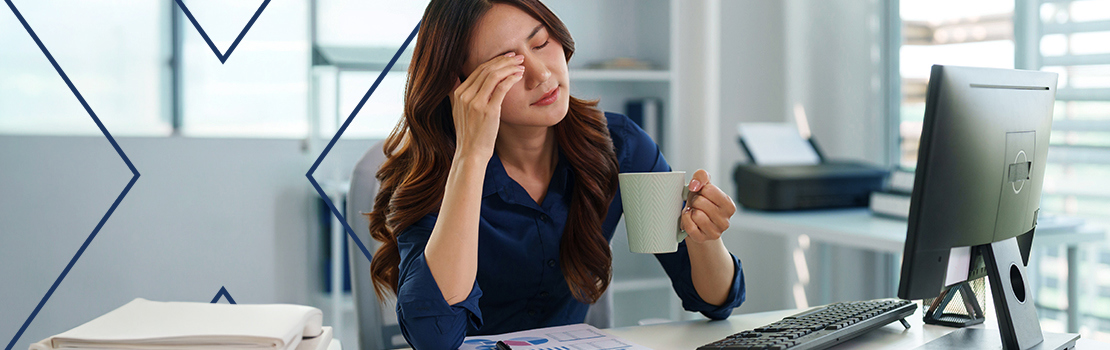
If you spend most of your working day in front of screens or digital devices, watch out for the following symptoms of digital eye strain:
- Dry, itchy, or watery eyes
- Blurred vision and eye fatigue
- Headaches or neck and shoulder pain
- Difficulty focusing
- Sensitivity to light
- Tiredness at the end of the day
These symptoms are usually temporary, but if they happen regularly, it's worth reviewing your screen habits or even booking an eye test.
How to reduce eye strain from screens
With nearly a third (29%) of workers spending 6 or more hours in front of a screen every day, it’s time to take eye health seriously. If you're searching for practical tips and advice on how to reduce eye strain from screens and computer use, these expert-backed tips can make a real difference.
Follow the 20-20-20 rule
One of the easiest ways to reduce eye strain from screens is by following the 20-20-20 rule. Every 20 minutes you should look away from your screen, focus on something that’s roughly 20 feet away, and do so for 20 seconds.
This gives your eye muscles a chance to relax and helps prevent fatigue from prolonged close-up work. You can set reminders on your phone or use productivity apps to prompt regular breaks throughout the day.
Remember to blink
It sounds obvious, but many people blink far less frequently when looking at a digital screen. Normally, we blink around 15-20 times per minute. When concentrating on digital devices, that number can drop significantly.
Blinking helps to keep your eyes moist, it removes dust and irritants, and it prevents dryness. That’s why you should make a conscious effort to blink throughout the day, especially during intensive work sessions. If dry eyes are a regular problem, artificial tear drops recommended by an optician may help.
Adjust your screen position
Poor workstation setup can contribute to digital eye strain and physical discomfort. Ideally you should position your screen around an arm's length away and keep the top of the monitor at (or slightly below) eye level.
It’s also a good idea to tilt the screen slightly upward and make sure your screen’s position allows you to sit comfortably with good posture, as this helps to reduce strain on both your eyes and neck.
If you're using multiple screens, position the main monitor directly in front of you and place secondary screens close by to minimise excessive head movement.
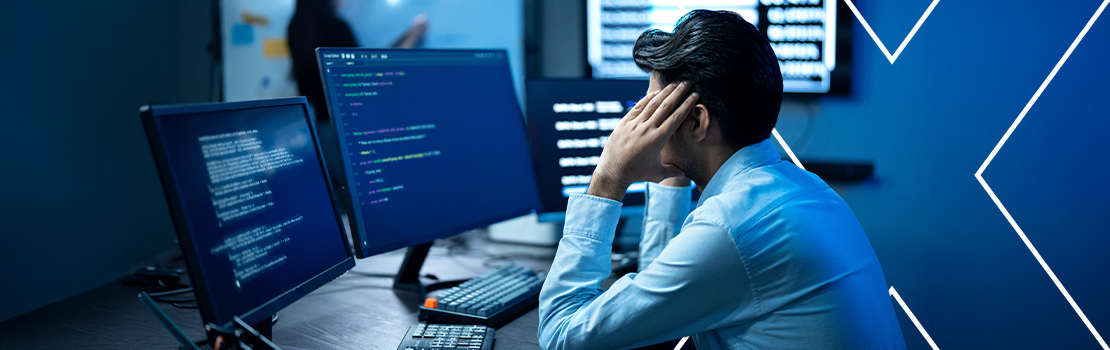
Reduce glare and reflections
Glare forces your eyes to work harder. Common sources include sunlight through windows, overhead office lighting, and reflections from nearby surfaces
To minimise glare, adjust blinds where possible and reposition your monitor to a place where glare is less common. If this is difficult, you can use anti-glare screen filters, and it’s also a good idea to keep your screen clean and free from smudges.
Overall, a simple adjustment to your workspace can make a noticeable difference to comfort levels.
Optimise your screen settings
Your device’s display settings can play a surprisingly important role in eye comfort. Consider:
- Increasing text size for easier reading
- Adjusting screen brightness to match your surroundings
- Improving contrast levels
- Using dark mode if you find it more comfortable
- Enabling blue light reduction settings during evening hours
There's no single perfect setup, so experiment to find what feels most comfortable for your eyes.
Take regular screen breaks
Even short breaks from screen time can help. Try to stand up and move around every hour. Not only does this give your eyes a rest, but it can also help reduce stiffness, improve circulation, and boost concentration.
Whether it’s actions as simple as making a drink, stretching, walking around the office, or taking time to look out of a window, these mini screen time breaks can help refresh both your eyes and your mind.
How to reduce eye strain and keep your eyes healthy outside of work
Looking after your eyesight shouldn’t stop when you log off for the day. Healthy lifestyle habits can support long-term eye health and may help reduce the effects of prolonged screen use.
Eat a balanced diet
Certain nutrients are particularly important for eye health, including Vitamin A, Vitamin C, Vitamin E, Zinc, and Omega-3 fatty acids. Foods that include these nutrients and support healthy vision include leafy green vegetables, carrots, peppers, citrus fruits, oily fish, eggs, and nuts and seeds
A balanced diet that includes these not only helps your eyes function at their best but also supports your wellbeing in general.
Stay hydrated
Dehydration can contribute to dry eyes and discomfort. Drinking enough water throughout the day helps maintain healthy tear production and can improve overall comfort, especially in air-conditioned offices.
Keeping a water bottle on your desk is a simple way to stay on top of hydration, as this can be easy to forget about whilst working.
Get enough sleep
Your eyes need time to recover. Lack of sleep can make symptoms of eye strain worse and increase feelings of fatigue.
Most adults should get seven to nine hours of quality sleep each night, but this varies from person to person, so aim for the amount of sleep that leaves you feeling replenished. A well-rested body generally means well-rested eyes too.
Limit unnecessary screen time
For many people, the workday ends and personal screen time begins. While it's not always realistic to avoid screens completely, try to give your eyes a break where possible.
Consider hobbies or pastimes such as reading a book, going for a walk and spending time outdoors, or anything that doesn’t involve a digital device. Creating some screen-free time each day can help your eyes recover.
Why regular eye tests matter
Many vision problems develop gradually. You may not notice small changes in your eyesight because your eyes adapt over time. Regular eye tests can help identify:
- Changes in vision
- The need for corrective lenses
- Eye health concerns
- Underlying health conditions
Even if you don't currently wear glasses, routine eye examinations remain an important part of maintaining good health. For employees who spend significant time using display screen equipment (DSE), eye tests can be particularly valuable.
Glasses for screen users: do you need them?
Not everyone who works on screens needs glasses, but some people benefit from lenses specifically designed for digital use. An eye care professional can advise whether you may benefit from:
- Prescription glasses
- Screen-focused lenses
- Anti-reflective coatings
- Occupational eyewear
The right solution depends on your vision, working environment, and daily screen usage. If you're experiencing regular headaches, eye fatigue, or blurred vision, it's worth getting professional advice.
Introducing BHN Extras Eyecare Vouchers
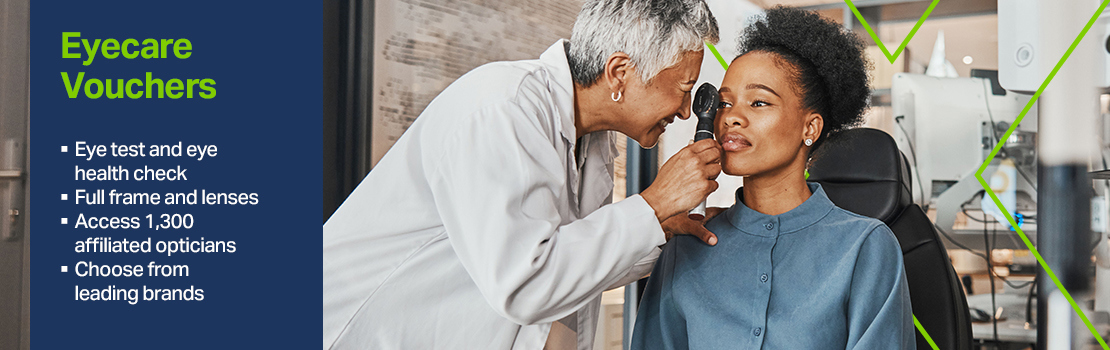
Looking after your eyesight should be simple. That's why we're happy to introduce Eyecare Vouchers, a new benefit available through BHN Extras, provided by EyeMed UK.
Designed to support employees who spend long hours working with digital screens, these employer eye test vouchers and eyecare vouchers provide access to professional eye care and help make it easier to stay comfortable at work.
Employees can benefit from:
- A comprehensive eye test and eye health check
- A full frame and lenses suitable for their job role
- Access to more than 1,300 affiliated opticians across the UK
- A choice of leading brands including Chanel, Ray-Ban®, Prada, Ralph Lauren, and Emporio Armani
Whether you need a routine eye test, prescription glasses for screen work, or specialist workplace eyewear, EyeMed UK's network gives you plenty of choice and peace of mind. Most importantly, it's a simple way to make sure you're looking after one of your most important assets: your eyesight.
Want to learn more? Visit the BHN Extras corporate Eyecare Vouchers page and discover how easy it is to access professional eye care through your employee benefits package.
A summary on how to reduce eye strain when using screens
If you're wondering how to reduce eye strain from screens, the answer isn't one big change. It's a collection of small, consistent habits. Regular breaks, better screen positioning, healthy lifestyle choices, and routine eye tests can all help protect your vision and improve comfort throughout the working day.
Your eyes work hard for you every day. Giving them the care and attention they deserve can help you stay comfortable, productive, and focused for years to come. At BHN Extras, we're here to make wellbeing benefits simple, practical, and easy to use, and that includes eyecare.
Want to discover the many benefits BHN Extras has to offer, including Eyecare Vouchers and more? Register for free today or speak with our team by calling +442074198294 or emailing enquiries@workplaceextras.com.
You might also like these articles...

Get more from BHN Extras: Cyclescheme partners with Lime
Read the article
How to Build a Corporate Wellness Programme for Employees
Read the article
How to Use Employee Rewards and Recognition in the Workplace
Read the article