What is an employee engagement strategy and how do you create one?

Employee engagement strategies are becoming more and more of a top priority for businesses across the UK, and for good reason. Engaged employees are not only more motivated and more productive, but they’re also more likely to stay with your business long term. However, with some reports suggesting that employee engagement is as low as 10% in the UK and with up to 79% of employees citing lack of appreciation as the reason for leaving their last job, it’s clear that there’s still a great deal of room for improvement.
Of course, higher workplace engagement doesn’t happen by itself. It takes a clear plan, genuine support, benefits employees actually value, and ongoing evaluation. Fortunately, creating a successful employee engagement strategy doesn’t actually need to be complicated, so let’s take a look at the practical steps businesses can take to build a happier, more motivated workforce.
What are employee engagement strategies?
An employee engagement strategy is a structured plan businesses use to improve how employees feel about their work and employer, thus improving engagement. It’s about creating an environment where people feel valued, supported, motivated, connected to company goals, and appreciated for their contributions.
Strong employee engagement strategies focus on the full employee experience, from communication and recognition through to wellbeing, flexibility, and financial support. This all comes down to one clear and simple message: when employees feel looked after and appreciated, they’re more likely to do their best work.
Why the impact of employee engagement matters
Employee engagement matters because it directly impacts business performance. When employees are disengaged, businesses often see higher turnover, lower productivity, more absenteeism, and poor morale. Alternatively, engaged teams are more positive, collaborative, and committed, with businesses with strong employee engagement strategies often benefiting from:
- Higher employee retention
- Better productivity
- Improved workplace culture
- Lower recruitment costs
- Reduced absenteeism
- Stronger employer branding
- Happier customers

In the modern workforce, engagement matters more than ever. With rising living costs, increasing workplace stress, and changing employee expectations, workers are looking more and more for employment packages that genuinely improve their everyday lives.
That’s why benefits that ease financial pressure and improve overall wellbeing are becoming a major part of modern employee engagement strategies, with 77% of employers reportedly having clear objectives for their employee benefits packages in 2026.
The biggest drivers of employee engagement
There’s no single solution when it comes to employee engagement strategies. Every workforce is different, but there are several core areas that consistently make the biggest difference.
1. Clear communication
Employees want transparency. They want to understand and feel informed of business goals, and they want to know their voice matters. Simple, honest communication helps build trust and creates a stronger sense of connection across teams.
This doesn’t mean endless meetings or corporate jargon. The best communication is usually the simplest, and businesses with successful employee engagement strategies often focus on:
- Regular check-ins
- Honest leadership updates
- Employee feedback surveys
- Clear expectations
- Open conversations
2. Recognition and appreciation
People want to know their work matters, and they want it to be acknowledged by the businesses they’re working for. Whether it’s a simple thank you, a celebration of milestones, or recognising achievements with employee rewards or benefits tied to performance, these can all go a long way towards boosting morale.
Small moments of appreciation help employees feel motivated and connected to the business. Consistent recognition also helps to create a more positive workplace culture, which is essential for long-term engagement.
3. Wellbeing support
Employee wellbeing has become one of the biggest priorities for employers seeking higher engagement, which is why modern employee engagement strategies need to support financial, mental, and physical wellbeing. The most popular forms of support include remote and flexible working options, wellbeing days off alongside the usual holiday allowance, and easy access to mental and physical health services.
Financial wellbeing is also becoming especially important. This is reinforced by the fact that 80% of employees admitted worry stresses negatively affected their productivity in 2026. Many employees are feeling pressure from rising household bills, commuting costs, everyday expenses, and general inflation. That’s why businesses that help ease those pressures are far more likely to build loyal, engaged teams - and this is where practical employee benefits can make a real difference.
Why effective employee engagement strategies focus on employee benefits
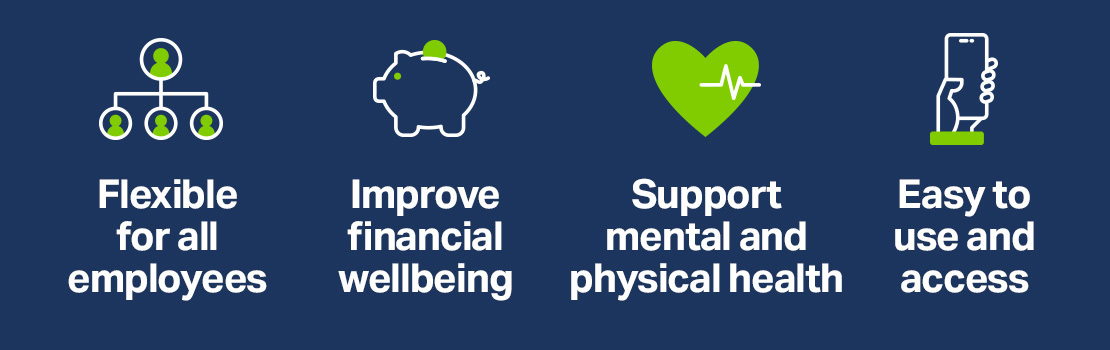
Benefits are one of the most impactful ways to improve employee engagement, as they deliver everyday value employees can actually use. The key is keeping benefits simple, relevant, and flexible so that they can be accessed by your entire workforce.
Overcomplicated schemes often go unused. Employees don’t want confusing systems or benefits that aren’t relevant enough to be worth all the admin needed to activate them. They want straightforward support that helps them save money and feel better.
That’s why employee benefits platforms like BHN Extras focus on benefits made simple. By giving employees access to everyday savings, cashback, salary sacrifice schemes, and wellbeing perks, businesses can maximise employee purchasing power while helping to reduce financial stress.
Examples of benefits that can support employee engagement strategies by offering support for financial, mental, and physical wellbeing include:
- Cashback on everyday shopping
- Discounted gift cards for trusted brands
- Home & Tech schemes
- Cycle to work schemes
- Gym discounts and health-focused perks
- Green car salary sacrifice schemes
When benefits help employees cut everyday costs, they become far more meaningful - and this means they’re far more likely to improve engagement.
How to create an employee engagement strategy
Building successful employee engagement strategies doesn’t need to be overwhelming. The most effective approaches are usually the clearest and most practical.
Step 1: Understand what employees actually need
One of the biggest mistakes businesses make is assuming they already know what employees want. The best employee engagement strategies start with listening, which includes employee surveys, one-to-one employee feedback sessions, anonymous questionnaires, and even exit interviews.
These can all be used to understand the employee experience and find out what employees value the most, the challenges they’re facing, the support they feel is missing, and what benefits they actually want and would use.
Step 2: Keep things simple
Complex systems where benefits are difficult to access, confusing to understand, or buried under admin processes aren’t going to get used as much - and that means they won’t be as beneficial to employee engagement. That’s why simplicity is essential.
Strong employee engagement strategies make support easy to find and easy to use. Platforms like BHN Extras are designed around this idea. One easy-to-use platform gives employees access to savings and benefits from trusted brands, and this simplicity also makes the benefits easy to manage by HR and administration teams.
Whatever you do, make sure your benefits are easily accessible for the people you’re providing them for, and increased employee engagement will follow.

Step 3: Offer flexibility and choice
Every employee is different, which is why the benefits you offer as part of your employee engagement strategy should be as diverse as your workforce. Flexible benefits allow employees to choose the support that fits their lifestyle, with some strong examples being:
- Cyclescheme savings on bikes and safety gear, with equipment available for every level of rider, from beginners to lifelong cyclists
- Home & Tech schemes to support household purchases that are relevant to everyone, from furniture and appliances to new laptops
- Cashback cards and discounts on shopping with a wide range of trusted brands, so employees can pick and choose what they save on
When benefits are varied and flexible like this, more people will use them - and when more employees benefit from what employee engagement strategies offer, the results will show in the workplace.
Step 4: Measure what’s working
Not all employee engagement strategies will strike gold every time. It’s important to track your strategy, such as monitoring the level of engagement in benefits, to see what’s working and what isn’t.
Track key metrics such as employee retention, absenteeism, employee satisfaction, recruitment success, feedback survey results - and, as mentioned, benefits usage. If certain benefits are unused, ask why, and if employees respond positively to a specific kind of support, build on it. The best employee engagement strategies stay flexible and continue improving as workforce needs change.
Make impactful benefits part of your employee engagement strategy

Overall, employee engagement increases when employees feel valued, recognised, and - most importantly - supported by their employers. Successful employee engagement strategies take all of this into account.
BHN Extras is here to help you deliver. With a wide range of employee benefits that provide financial relief whilst supporting mental and physical health, and with highly flexible options that benefit workers of all lifestyles and needs, we can help you build impactful benefits into your employee engagement strategy. Better yet, our benefits platform is simple to use, with one platform and one login, which makes benefit management easy and straightforward rather than another source of stress.
Get in touch and discover how our employee benefits can take your employee engagement strategies further. Call +442074198294, contact us via our contact page, or email enquiries@workplaceextras.com today.
Employee engagement strategies FAQs
How often should businesses review their employee engagement strategies? +
Most businesses should review their employee engagement strategies at least once a year, and often more. Regular employee surveys can also help identify changing employee needs between formal reviews.
What role do senior leaders play in employee engagement? +
Senior leaders help shape trust, communication, and direction across the business. When leadership actively supports engagement initiatives, employees are more likely to feel connected to the company mission and wider business goals.
Can employee engagement strategies improve recruitment? +
Yes. Strong engagement levels often improve the hiring process by helping businesses build a positive reputation as an employer people genuinely want to work for.
Why is employee recognition important for engagement? +
Consistent employee recognition helps people feel appreciated and motivated. Even small acknowledgements can encourage stronger performance and help create more engaged employees.
How can businesses measure employee engagement effectively? +
Using an employee engagement survey alongside regular employee surveys gives businesses a clearer understanding of morale, satisfaction, and workplace challenges.
What impact does company culture have on engagement? +
A supportive company culture encourages collaboration, trust, and communication. Employees are more likely to stay engaged when workplace values match their expectations and personal priorities.
How does career development improve employee engagement? +
Providing clear career development opportunities helps employees feel invested in their future. Training, mentoring, and progression plans can all improve motivation and retention.
Why should the HR team be involved in engagement strategies? +
The HR team plays a key role in gathering feedback, improving communication, and introducing support employees genuinely value. They also help track engagement performance over time.
Can flexible working improve employee engagement? +
Flexible working can support better work-life balance, reduce stress, and help employees manage personal responsibilities more effectively. This often leads to happier, more engaged employees.
How do company values affect employee turnover? +
Employees are more likely to stay with businesses whose company values align with their own. Strong engagement strategies can reduce employee turnover by creating a workplace where people feel supported, recognised, and are offered meaningful career development opportunities.
You might also like these articles...

Get more from BHN Extras: Cyclescheme partners with Lime
Read the article
How to Build a Corporate Wellness Programme for Employees
Read the article
How to Use Employee Rewards and Recognition in the Workplace
Read the article